Close Menu
    Follow us on Google News
    Follow Livewell Magazine on Google News
    Facebook X (Twitter) Instagram
    LiveWell Magazine
    Facebook
    Follow LiveWell Magazine on Google News
    • Cancer

      The “Silent Killer”: 2 Hidden Signs of Pancreatic Cancer You Can Spot Years in Advance

      April 20, 2026

      Barry Manilow Opens Up About Embracing Healthier Lifestyle Choices During His Cancer Battle

      April 8, 2026

      Healthy Dad’s Unexpected Cancer Diagnosis Revealed After Ignoring Nighttime Bathroom Trips: ‘A Heartbreaking Surprise’

      February 22, 2026

      BREAKING NEWS: Gene therapy for sickle cell disease: a medical breakthrough still out of reach for many

      December 29, 2025

      How Your Drinking Habits Could Significantly Increase Your Cancer Risk

      December 28, 2025
    • Fitness

      Why does every step matter in your unique running journey?

      May 21, 2026

      How does age impact athletic prowess and power?

      May 19, 2026

      How can you stay active and healthy by embracing winter fitness with outdoor sports?

      May 14, 2026

      How does afternoon exercise transform your blood sugar levels?

      May 7, 2026

      At 100, the ‘First Lady of Fitness’ Shares Her Daily Workout Secrets and One Must-Have Food

      April 15, 2026
    • Health

      How can fast verification tools transform patient care and enhance health outcomes?

      May 15, 2026

      How can you choose the best functional medicine doctor for your health journey?

      May 5, 2026

      How can better patient-doctor communication help you stay on track with your medication?

      April 8, 2026

      What can an infectious disease doctor’s experiences in Kazakhstan and America teach us about global health?

      April 3, 2026

      Federal Judge Hits Pause on HHS Secretary Kennedy’s Vaccine Policy Overhaul

      March 18, 2026
    • Lifestyle

      Can these 6 yoga poses provide instant relief for your period cramps?

      May 28, 2026

      How will the new travel advisory for individuals with “x” gender markers affect your travel wellness?

      May 22, 2026

      What are the surprising life lessons from a freezing cold experience in rural Japan?

      May 11, 2026

      What are some simple tips for maintaining a clean dog mouth?

      May 4, 2026

      How can you break free from the sitting trap and revitalize your life?

      April 22, 2026
    • Nutrition

      Could a daily glass of orange juice be the secret to heart health and longevity?

      June 3, 2026

      Which 14 superfoods can help boost your heart health and slash cholesterol?

      June 2, 2026

      Which foods should you select to protect against age-related health concerns?

      June 1, 2026

      How could eating pickles daily affect your blood pressure?

      May 25, 2026

      Which are the 6 surprising foods that could be sabotaging your health?

      May 22, 2026
    • Senior

      What are the essential approaches for promoting high-quality senior care and independence?

      May 6, 2026

      Nurturing Your Gut After 50: 7 Essential Habits for Lasting Digestive Wellness

      April 3, 2026

      Nourishing Your Golden Years: 10 Essential Nutrition Habits to Promote Healthy Aging and Maintain Independence After 60

      March 27, 2026

      Wound Care Revolution: How a New Medicare Payment System Aims to Cut Waste in Senior Care

      March 19, 2026

      The $2,000 Cap is Here: How the New Annual Out-of-Pocket Drug Limit Saves Seniors Thousands

      March 17, 2026
    • Trends

      What are the innovative techniques in permanent makeup for aesthetic and restorative purposes?

      June 2, 2026

      How could the 7 surprising travel trends of 2026 disrupt your wellness plans and how can you navigate them?

      April 15, 2026

      Which innovative skincare trends will shape the industry in 2026 according to Uliana-Sofiia Savchenko?

      April 6, 2026

      Transparency at HHS: How the New “Radical Transparency” Initiative Aims to Expose Big Pharma Conflicts

      March 13, 2026

      How Wearable Technology Could Spark a Revolution in Healthier Living

      February 5, 2026
    • Wellness

      Could Spain being crowned the top digital nomad destination of 2026 benefit your work-life wellness?

      June 1, 2026

      How can heartfelt reunions at U.S. airports enhance your emotional wellness?

      May 28, 2026

      How will the loss of Bali’s private beaches affect your wellness travel?

      May 27, 2026

      How will the new sleeper train connecting Basel, Copenhagen, and Malmö enhance your travel wellness in 2026?

      May 26, 2026

      How can you revitalize your skin with the Ulike red light therapy mask?

      May 26, 2026
    Subscribe
    LiveWell Magazine
    Home»Health Resources»Sprain, strain, or break? how to spot the difference (and what to do next)
    Health Resources

    Sprain, strain, or break? how to spot the difference (and what to do next)

    Frank JostBy Frank JostNo Comments
    Facebook Twitter Email WhatsApp Pinterest LinkedIn Reddit Telegram Threads
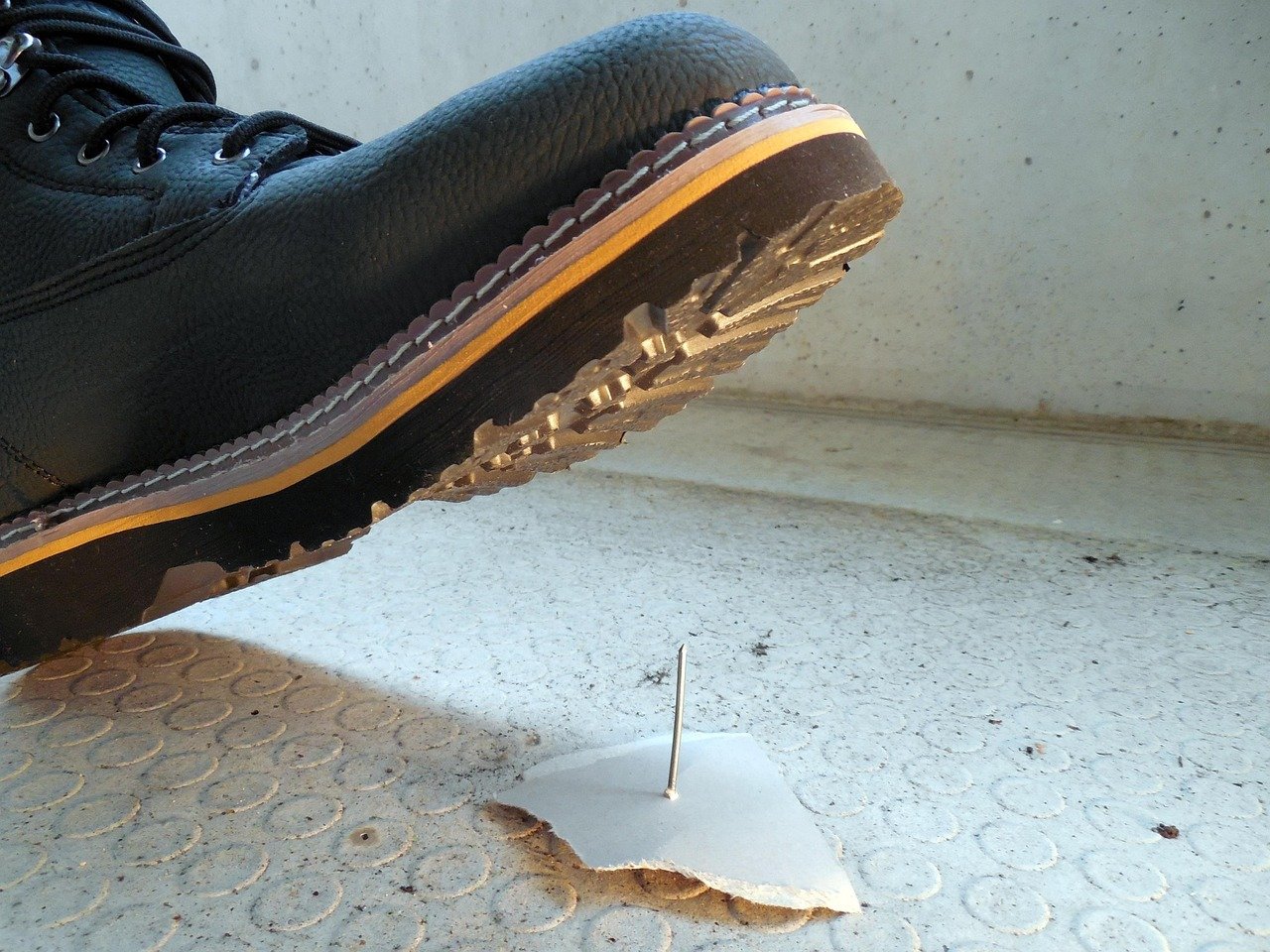
    learn about different types of injuries, their causes, symptoms, and effective treatment options to aid recovery and prevent further damage.
    Share
    Facebook Twitter LinkedIn Email Reddit Telegram WhatsApp Threads

    An unexpected trip on a curb, a sudden twist while gardening, or overdoing it during a favorite activity—these moments can happen to anyone. The sharp, immediate pain is often followed by a wave of questions: What just happened? Is it serious? While the discomfort of a sprain, a strain, or even a minor break can feel alarmingly similar, understanding the crucial differences between them is the first and most important step toward a swift and complete recovery. Mistaking one for another can delay proper healing and lead to chronic issues that keep you from the life you love. This guide will empower you to recognize the signals your body is sending, take the right immediate actions, and build a foundation for stronger, more resilient joints and muscles, turning a moment of injury into an opportunity for greater physical wisdom.

    In Brief: Key Differences at a Glance

    • 📌 Sprain: An injury to a ligament, the tissue connecting bones together. Look for bruising, swelling, and instability concentrated around a joint (like an ankle or wrist).
    • 💪 Strain: An injury to a muscle or tendon, the tissue connecting muscle to bone. This often involves muscle spasms, cramping, and weakness, typically in areas like the back or hamstrings.
    • 🦴 Break (Fracture): A crack or complete break in a bone. Signs can include intense, sharp pain, a visible deformity, or an inability to bear any weight.
    • 🚨 When to Seek Help: If you hear a “pop,” cannot bear weight, see a visible deformity, or the pain doesn’t improve after 48 hours, it’s time to see a healthcare provider.

    Decoding the Pain: Is It a Sprain or a Strain?

    When you’re faced with sudden pain and swelling, it’s easy to assume the worst or simply dismiss it as “just a pull.” But the tissues involved tell a very different story. A sprain happens when you stretch or tear a ligament, those tough, fibrous bands that stabilize your joints. This is common in ankles, knees, and wrists, often caused by a sudden twist or fall. Think of a rolled ankle—that’s a classic sprain.

    Related Article :  Discover How Licking County Schools Embrace Tressel's Fitness Challenge: Essential Info Inside!

    A strain, on the other hand, involves damage to a muscle or a tendon. This occurs from overstretching or tearing these tissues, often during activities like lifting something heavy or starting a new exercise too quickly. Strains typically affect the lower back, hamstrings, and shoulders. While both can cause pain and swelling, their specific symptoms offer vital clues to what’s happening inside your body.

    Feature Sprain (Ligament Injury) Strain (Muscle/Tendon Injury)
    Key Symptoms 📝 Bruising, swelling around a joint, instability (feeling like the joint will “give out”). Muscle spasms, cramping, weakness, tightness, limited range of motion.
    Pain Location 📍 Concentrated around a joint, like the ankle, knee, or wrist. Occurs within the muscle itself or along a tendon, like in the back or calf.
    Common Cause 🏃 Sudden twist, fall, or impact that forces a joint out of its normal position. Overstretching, heavy lifting, or repetitive motion.
    explore comprehensive information on injury types, causes, prevention, and treatment options to help you recover effectively and stay safe.

    The Path to Recovery: Why an Accurate Diagnosis Matters

    Knowing whether you have a sprain or a strain isn’t just a matter of curiosity; it directly impacts your recovery plan. Ligaments and muscles heal differently. Ligaments have a much lower blood supply than muscles, which means sprains generally heal more slowly than strains. Rushing back to activity on a sprained ankle can lead to chronic instability, making you more prone to future injuries. Conversely, not moving a strained muscle enough can cause it to heal in a shortened, stiff position, leading to recurring weakness. Proper fitness recovery is crucial for long-term health.

    “I thought I’d just pulled a muscle in my leg while gardening,” shares Martha, 72. “I kept trying to ‘stretch it out,’ but the pain and swelling got worse. It turned out to be a moderate ankle sprain. My doctor explained that I needed to stabilize it, not stretch it. Getting the right diagnosis made all the difference in my healing.”

    Immediate Care: Your First 48 Hours

    Regardless of the injury, the first steps are critical for managing pain and inflammation. Most experts recommend the R.I.C.E. method:

    • Rest: Avoid activities that cause pain.
    • Ice: Apply a cold pack for 15-20 minutes every 2-3 hours.
    • Compression: Use an elastic bandage to help reduce swelling.
    • Elevation: Keep the injured area raised above your heart level.
    Related Article :  Where to find reliable health information online

    However, this is only first aid. If you cannot bear weight, experience severe pain, or suspect a break, seeking medical attention is essential. Timely care can be life-changing, much like when fast action in emergencies saves lives.

    Building Resilience to Prevent Future Injuries

    The best way to treat an injury is to prevent it from happening. Integrating a few simple habits into your routine can dramatically lower your risk and keep you active and confident. Start by always warming up before exercise to prepare your muscles and joints for activity. Focus on strengthening the muscles around your major joints, like your knees and ankles, to provide better support. Finally, don’t forget flexibility; regular stretching maintains your range of motion. Taking these proactive steps is key to achieving your wellness goals and staying injury-free.

    Dealing with an injury can be stressful, but remember there are always natural ways to cope with stress as you heal. By understanding your body and knowing how to respond, you can turn a setback into a comeback. Learning how to avoid common injuries empowers you to move with confidence and joy for years to come.
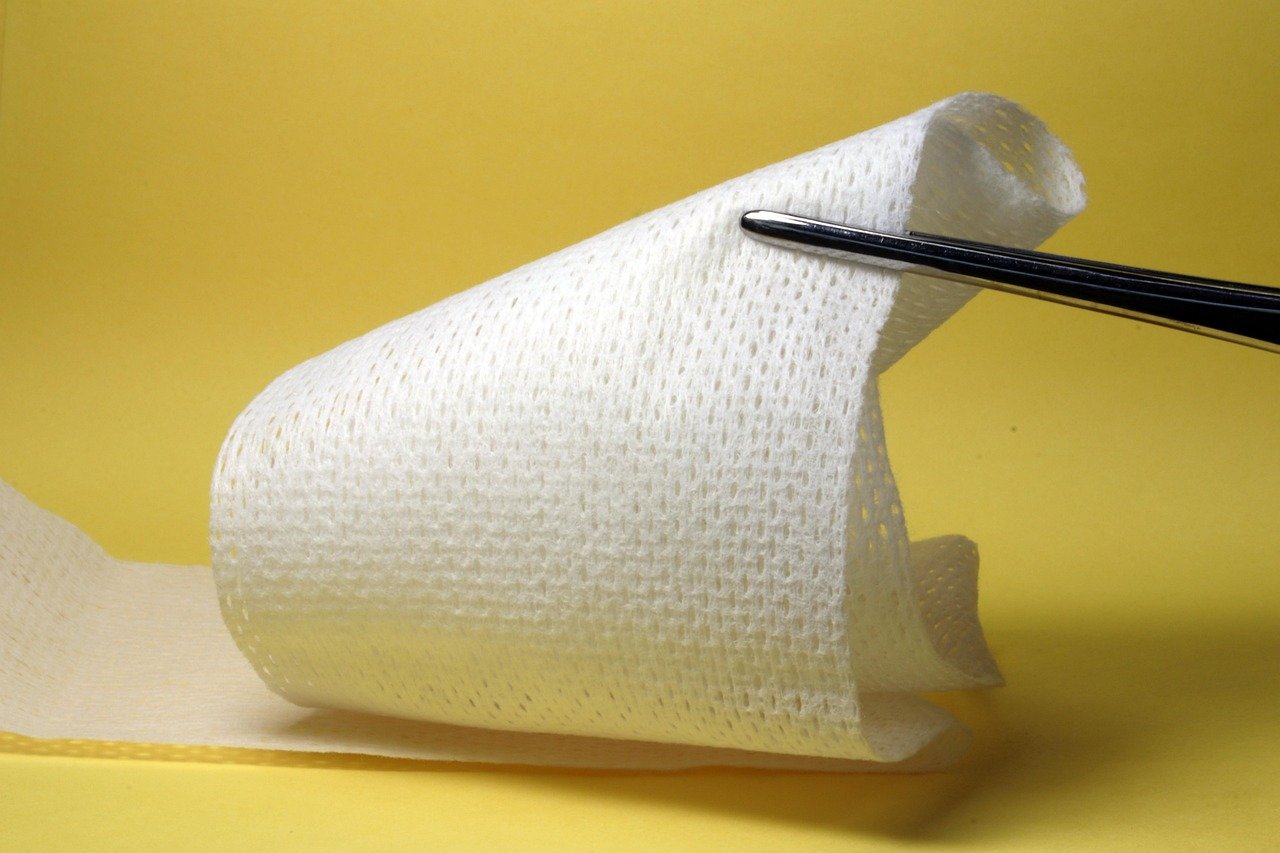
    comprehensive insights into injury types, causes, prevention, and treatment to help you stay safe and recover effectively.

    How can I tell if it’s a sprain or a break without an X-ray?

    While only an X-ray can confirm a fracture, key signs of a break include an obvious deformity, a ‘cracking’ sound at the time of injury, and the inability to put any weight on it at all. Sprains may be very painful, but you can often bear at least a small amount of weight. When in doubt, always seek a medical opinion.

    Related Article :  Tips from a celebrity self-help guru on establishing lasting healthy habits

    Should I use heat or ice on my injury?

    For the first 48 to 72 hours, always use ice. Cold helps constrict blood vessels, which reduces swelling and numbs the pain. Heat does the opposite—it increases blood flow, which can worsen inflammation in an acute injury. Heat can be beneficial later in the healing process to soothe stiff muscles.

    How long does it take for a sprain or strain to heal?

    Healing times vary greatly depending on the severity. A mild Grade 1 strain might feel better in a week or two, while a severe Grade 3 ligament sprain could take several months to fully heal and regain stability. Following a professional treatment plan is the best way to ensure a timely and complete recovery.

    The illustration photo in this article was generated by an AI model. Fictional testimonials may have been included for illustrative purposes.

    break how to spot injury injury sprain strain
    Follow on Google News
    Share. Facebook Twitter LinkedIn Email WhatsApp Reddit Telegram Threads Copy Link
    Previous ArticleRaising healthy kids: 4 everyday habits that make a big difference
    Next Article More than weight loss: how one woman gained confidence along the way
    Avatar photo
    Frank Jost

    Frank is a seasoned media consultant for LiveWell Magazine, with over two decades of experience in the digital media landscape. His expertise spans online publishing, audience engagement strategies, and health communication. A recognized expert in mutual health insurance, Frank brings a unique perspective that bridges the gap between public health awareness and digital storytelling. He is passionate about making reliable health information accessible to all, and continues to help readers navigate the complexities of wellness and insurance in the digital age. https://www.linkedin.com/in/frank-jost-2097104/

    Continue reading

    What is the ultimate countdown to discovering your marathon finishing time?

    By Amelie Goujon

    What are the top 5 deadlift alternatives to amplify your muscle gains while easing back strain?

    By Amelie Goujon

    How can fast verification tools transform patient care and enhance health outcomes?

    By Amelie Goujon

    How can you choose the best functional medicine doctor for your health journey?

    By Amelie Goujon

    What are the most effective strategies for enhancing your wound recovery?

    By Amelie Goujon

    What are the 5 essential front rack mobility drills for superior squats and lifts?

    By Amelie Goujon

    Can these 5 simple exercises help you achieve long-term hip pain relief?

    By Amelie Goujon

    How can better patient-doctor communication help you stay on track with your medication?

    By Amelie Goujon

    What can an infectious disease doctor’s experiences in Kazakhstan and America teach us about global health?

    By Amelie Goujon

    Federal Judge Hits Pause on HHS Secretary Kennedy’s Vaccine Policy Overhaul

    By FRANK JOST

    Medicare Advantage Shifts: Payments to Plans Increase as Enrollment Hits a New Record

    By Frank Jost

    Stretching routines that ease chronic pain

    By Tina Nguyen
    Add A Comment
    Leave A Reply Cancel Reply

    Subscribe to Our Newsletter

    Join the Live Well Magazine Newsletter and get exclusive tips on health, wellness, lifestyle, and personal growth — straight to your inbox.

    Trending
    Nutrition

    Could a daily glass of orange juice be the secret to heart health and longevity?

    Trends & Innovation

    What are the innovative techniques in permanent makeup for aesthetic and restorative purposes?

    Nutrition

    Which 14 superfoods can help boost your heart health and slash cholesterol?

    What are Sylvester Stallone’s secrets to vitality and strength at 79?

    Health Products

    What is the reality behind Nature’s Garden CBD?

    Wellness

    Could Spain being crowned the top digital nomad destination of 2026 benefit your work-life wellness?

    Facebook
    • About us
    • Contact us
    • Contributors
    • Legal
    • Privacy
    © 2026 livewellmagazine.org.

    Type above and press Enter to search. Press Esc to cancel.